SEO for Social Media: Complete 2025 Guide to Driving Organic Traffic
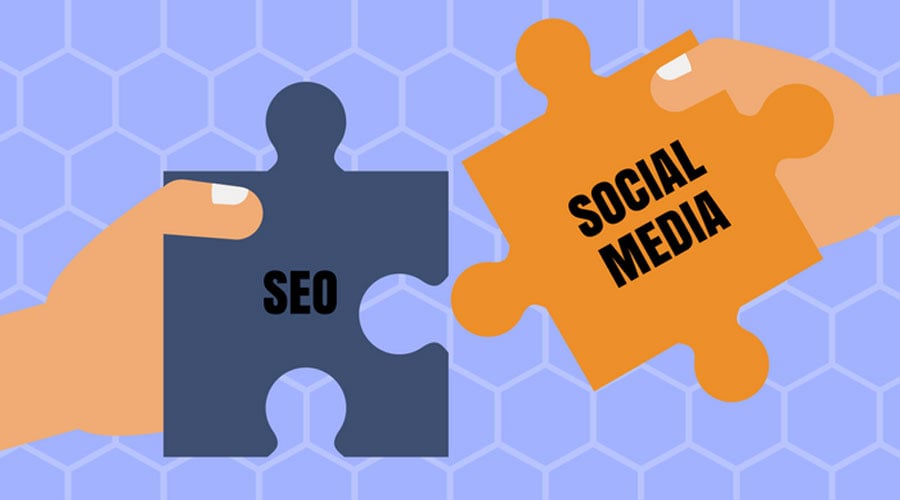
Social media SEO combines social optimization with search best practices to boost your content's visibility in both Google and platform-specific searches. In 2025, this means optimizing profiles, content, and technical implementation so users discover you through Google, Instagram Explore, TikTok Discovery, and AI-powered recommendations. According to Datos research, X (Twitter) social search usage grew from 8.5% to 14.1%, while TikTok and Pinterest search also increased significantly.
Nearly half of Gen Z now uses social platforms as their primary search engine instead of Google. That's a fundamental shift in how entire generations discover content, products, and services.
You'll learn the technical foundations competitors ignore—schema markup, Open Graph implementation, structured data—alongside platform-specific tactics that deliver measurable results. Discover why Google's official stance on social signals matters, which platforms Google actually indexes, and see real metrics from businesses achieving 480-5,554% traffic increases.
What is social media SEO and why it matters in 2025
Social media SEO refers to optimizing your social media presence to improve discoverability in both search engines like Google and within social platforms' native search functions. It involves strategic keyword usage, profile optimization, content structuring, and technical implementation that helps algorithms understand and surface your content to relevant audiences.
The landscape shifted dramatically in 2025. Google now indexes Instagram Reels and posts from professional accounts, TikTok videos appear in Google search carousels, and LinkedIn profiles consistently rank on page one for name searches. According to SparkToro/Datos research, Facebook drives 3.62% of all U.S. referral traffic, YouTube accounts for 3.48%, and Reddit contributes 3.15%.
Three factors make social media SEO essential in 2025:
Content amplification leads to backlinks. When your social content reaches larger audiences, it increases the probability that bloggers, journalists, and website owners will link to your website as a source.
Brand awareness drives branded searches. Social visibility increases the number of people searching for your brand name—a positive ranking signal Google uses to assess authority.
Direct discovery through indexing. Google and Bing now index content from multiple platforms, meaning your social posts can appear in traditional search results alongside websites.
As Jim Yu explains: "Integrating your search and social efforts brings better brand visibility and higher conversion rates."
| Platform | % of US Referral Traffic |
|---|---|
| 3.62% | |
| YouTube | 3.48% |
| 3.15% | |
| X (Twitter) | 1.22% |
| 0.76% | |
| 0.61% |
The social signals myth and how Google indexes social content
Let's address the elephant in the room: social signals do not directly impact Google rankings.
This isn't speculation. Google has stated this explicitly through multiple official channels. While social media provides substantial indirect SEO benefits—content amplification increases natural backlink acquisition, brand visibility drives branded search volume, and referral traffic boosts engagement metrics—the likes, shares, and follower counts themselves aren't ranking factors.
According to Salesforce research, 50% of consumers discover new products on social media, and social purchasing increased 4-fold to 59% over two years. Additionally, 36% of shoppers now purchase on social messaging apps like Facebook Messenger and WeChat.
Understanding which social content Google can index helps you prioritize optimization efforts:
| Platform | Indexing Status | What Gets Indexed | Key Requirement |
|---|---|---|---|
| Twitter/X | Full access (since 2015) | Tweets, profiles | Public account |
| Public content only | Business pages, public posts | Public visibility | |
| NEW: July 2025 rollout | Professional accounts, Reels, posts | Business/Creator account, 18+ | |
| TikTok | Selective indexing | Videos appear in carousels | Public videos |
| YouTube | Full (Google-owned) | Videos, playlists, channels | Public videos |
| Public content | Profiles, company pages, articles | Public profile | |
| Public content | Pins, boards | Public boards |
The Instagram indexing update represents the most significant change. Google and Bing now index public Instagram content from professional accounts (Business or Creator profiles) for users 18 and older. This means your Instagram Reels can appear directly in Google search results, not just on Instagram's platform.
What prevents your content from being indexed? Private or locked accounts, platform restrictions via robots.txt directives, age-gated content, and nofollow attributes on links all limit Google's ability to crawl and index your social presence.
Practical implication: ensure your primary social profiles use public visibility settings. For Instagram specifically, convert to a professional account type to enable Google indexing. For comprehensive statistics on social media's impact, check our SEO Statistics 2025 guide.
Technical SEO for social media: The overlooked foundation
Most articles skip the technical implementation that connects your website to social profiles. This section covers what competitors ignore.
Schema markup: Connecting your website to social profiles
Schema markup helps search engines understand relationships between your website and social profiles. Implement Organization schema with the sameAs property to establish these connections.
Organization Schema (JSON-LD):
{
  "@context": "https://schema.org",
  "@type": "Organization",
  "name": "Your Company Name",
  "url": "https://www.yoursite.com",
  "logo": "https://www.yoursite.com/logo.png",
  "sameAs": [
    "https://www.facebook.com/yourcompany",
    "https://twitter.com/yourcompany",
    "https://www.linkedin.com/company/yourcompany",
    "https://www.instagram.com/yourcompany",
    "https://www.youtube.com/c/yourcompany"
  ]
}
Place this code in your website's <head> section or use Google Tag Manager. This markup appears in Google Knowledge Panels and helps Google associate your brand across platforms. Tools like Google Search Console help you monitor how Google sees your schema implementation.
Open Graph tags: Complete implementation guide
Open Graph meta tags control how your content appears when shared on social platforms. Without proper implementation, platforms display generic previews that reduce click-through rates.
Required Open Graph Tags:
<meta property="og:title" content="Your Page Title" />
<meta property="og:type" content="website" />
<meta property="og:url" content="https://www.yoursite.com/page" />
<meta property="og:image" content="https://www.yoursite.com/image.jpg" />
<meta property="og:description" content="1-2 sentence description" />
<meta property="og:image:width" content="1200" />
<meta property="og:image:height" content="630" />
Image Specifications:
- Recommended: 1200 x 630 pixels (1.91:1 ratio)
- Minimum: 600 x 315 pixels
- Maximum file size: 8MB
- Formats: JPG, PNG, GIF
Testing Your Implementation:
- Facebook: Sharing Debugger (developers.facebook.com/tools/debug/)
- LinkedIn: Post Inspector (linkedin.com/post-inspector/)
- Twitter/X: Card Validator (cards-dev.twitter.com/validator)
Common mistake: failing to include image dimensions. Without width and height properties, platforms may display improperly cropped images.
Twitter Cards: Getting the clicks you deserve
Twitter Cards enhance how links appear in the X/Twitter feed. The summary_large_image card type generates the highest engagement.
<meta name="twitter:card" content="summary_large_image" />
<meta name="twitter:site" content="@yourbrand" />
<meta name="twitter:title" content="Your Title" />
<meta name="twitter:description" content="Description under 200 chars" />
<meta name="twitter:image" content="https://yoursite.com/image.jpg" />
Twitter automatically falls back to Open Graph tags if Twitter-specific tags aren't present. However, explicit Twitter tags give you more control over presentation. Image specifications for Twitter Cards include minimum dimensions of 300 x 157 pixels, recommended 1200 x 628 pixels, and maximum file size of 5MB.
Platform-specific optimization tactics that actually work
Each platform requires different optimization approaches based on its algorithm, search functionality, and user behavior. According to Think With Google, AI Overviews now reach over 1 billion users monthly, and Search Engine Journal reports that 30% of searches show AI Overviews, with 74% appearing for problem-solving queries.
Many SEO professionals now leverage AI-powered tools to analyze social performance, identify trending topics, and optimize content at scale. For comprehensive coverage of how AI is transforming SEO workflows, see our guide to AI SEO tools in 2025.
Instagram SEO: Keywords now matter more than hashtags
Instagram underwent fundamental changes in 2024-2025. Adam Mosseri, head of Instagram, confirmed that hashtags no longer dramatically affect reach—keywords are now more important.
Profile Optimization:
Your Instagram profile contains searchable elements that determine discoverability:
- Display Name: Include primary keyword (150 characters max, appears in search)
- Username (@handle): Use niche keywords if possible
- Bio: 150 characters with secondary keywords and value proposition
- Profile must be Public for Google indexing
Example of keyword-optimized profile:
Display Name: Sarah Chen | Food Photographer NYC
Username: @nycfoodphotographer
Bio: Commercial food photography for restaurants & brands
🍕 Based in NYC | 📸 Available for bookings
Content Keyword Strategy:
Instagram's algorithm now analyzes caption text, audio transcriptions, and on-screen text through OCR (Optical Character Recognition). This means:
- Use keywords naturally in captions (first 125 characters most important)
- Include keywords in the first 3 seconds of Reels
- Add text overlays with relevant keywords
- Write keyword-rich alt text for images
Hashtag Guidelines (Updated 2025):
- Use 3-5 relevant hashtags (quality over quantity)
- Maximum is still 30, but lower numbers perform better
- Place hashtags in caption, not first comment
- Mix branded, niche, and trending hashtags
Reels Optimization:
- Add subtitles/captions (80% watch without sound)
- Keep under 30 seconds for better completion rates
- Remove TikTok watermarks (algorithm deprioritizes)
- Use trending audio tracks
Tools like Semrush provide keyword suggestions and social media tracking features that help identify trending topics and optimal posting times for Instagram.
TikTok SEO: Voice, text, and hashtag synergy
TikTok's search algorithm analyzes multiple content layers simultaneously, making it the most sophisticated social search system. According to Datos research, YouTube remains #1 for average searches per user at 19.9 monthly searches, but TikTok's growth trajectory is remarkable.
Profile Optimization:
- Username: Include niche keywords (avoid generic names)
- Bio: 80 characters with primary keywords
- Link in bio: Use tools like Linktree for multiple destination options
Video SEO Tactics:
TikTok analyzes three content types:
- Spoken audio: Say your target keywords out loud in the video
- On-screen text: Use text overlays with keywords (OCR scanning)
- Caption: Now 2,200-4,000 characters (increased from 300)
Optimization strategy:
- Include primary keyword in first 3 seconds of video
- Say keywords naturally within the video
- Add text overlay highlighting key phrases
- Write detailed captions with semantic keywords
Hashtag Strategy:
- Use 3-5 hashtags mixing broad and niche terms
- Include at least one trending hashtag when relevant
- Don't use generic tags like #fyp or #foryou (no proven benefit)
TikTok's Creator Search Insights Tool:
This built-in keyword planner shows what users are searching for, search volume trends, related keywords, and content gap opportunities. Access it via TikTok Creator Tools when you have a business account.
Critical Algorithm Factors:
- Completion rate is most important (keep videos engaging throughout)
- Follower count is NOT a ranking factor
- Watch time and rewatches signal quality
- Engagement (likes, comments, shares) matters less than completion
For competitor analysis and trending topic identification, Ahrefs Content Explorer helps discover what's performing well across social platforms.
Quick wins for LinkedIn, Facebook, YouTube, Pinterest, and Twitter/X
LinkedIn SEO:
LinkedIn profiles frequently appear on page one of Google results for name searches. Many digital marketing agencies leverage this by optimizing their team members' profiles to rank for industry searches. Don't waste your headline on just your job title. Format: [Role] | [Specialty] | [Unique Value]
Examples:
- ❌ "Marketing Manager"
- ✅ "Marketing Manager | B2B SaaS Growth | Helped 50+ companies scale to \$10M ARR"
The first 200 characters of your About section appear before the "See More" button—start with a compelling hook. Use 3-5 hashtags per post, placed at end, focusing on professional/industry tags.
Facebook SEO:
Include business name + primary keyword in Page name, customize vanity URL (facebook.com/yourbrand), complete all About section fields with keywords, and use 1-2 hashtags maximum. According to Statista research, YouTube has 74% mobile audience reach, followed by Gmail (65%) and Facebook (64%).
YouTube SEO:
YouTube is the world's second-largest search engine after Google. Use keywords near the beginning of your title (100 char max), front-load keywords in your description (first 125-157 chars appear in search), and include transcripts (94% of top videos include them). Watch time is YouTube's primary ranking factor.
Pinterest SEO:
Pinterest functions more like a visual search engine than a social platform. Use keywords naturally in your Pin Title (first 30-50 characters show in feed) and Description (500 char max). Rich Pins automatically sync website metadata and are favored by the algorithm. Optimal dimensions: 600 x 900 pixels minimum (2:3 vertical ratio).
Twitter/X SEO:
The 2024-2025 algorithm changes significantly impacted content strategy. The algorithm now suppresses external links in main tweets. Best practice: Post link in reply comment, not main tweet, or use native image/video content. Use 1-2 hashtags maximum. Grok AI (2025) analyzes all posts and videos for relevance.
| Platform | Optimal Post Length | Hashtags | Key Feature |
|---|---|---|---|
| Caption: 125 chars critical | 3-5 | Keywords > hashtags now | |
| TikTok | Caption: 2,200-4,000 chars | 3-5 | Voice + text + hashtags |
| Headline: 220 chars | 3-5 | First 200 chars of About | |
| 40-80 chars best engagement | 1-2 | Business name + keyword | |
| YouTube | Title: 100 chars | N/A | Watch time is king |
| Description: 500 chars | N/A | Visual search engine | |
| Twitter/X | 280 chars (25k Premium) | 1-2 | Links in replies only |
Tools like Google Trends help identify trending topics across platforms, while Similarweb provides competitive intelligence on social traffic sources.
Real results: Case studies with metrics
These case studies demonstrate measurable outcomes from implementing social media SEO strategies.
E-commerce pet health brand: 5,554% traffic increase
Starting Point:
- 2,951 monthly organic sessions
- Zero top 3 rankings
- Limited social amplification
Tactics Implemented:
- Long-tail keyword content strategy amplified through Instagram and Pinterest
- Customer pain point content with product solutions shared across Facebook groups
- Science-backed authoritative content promoted via LinkedIn
- High-quality backlink building through influencer partnerships on Instagram
Results in 10 months:
- Traffic: 2,951 → 166,853 monthly sessions
- Top 3 rankings: 0 → 2,538 keywords
- #1 rankings: 0 → 1,418 keywords
- New warm leads: ~164,000 potential customers identified through social channels
Key Takeaway: Coordinating content promotion across social platforms accelerated link acquisition and brand awareness, compounding organic search growth.
Local business: 480% traffic increase
Tactics Implemented:
- Local keyword research targeting "Austin cleaning services"
- On-page optimization with schema markup
- Google Business Profile optimization
- Active social media engagement on Facebook and Instagram
- Regular posting of before/after photos on Instagram
Results:
- Website traffic: 480% increase
- Now ranking at top of search results for target local keywords
- Increased positive Google reviews driven by Instagram CTA
- 35% of new customers discovered via Instagram
Key Takeaway: Social proof from Instagram content strengthened local SEO signals and drove review generation, compounding ranking improvements.
As Rand Fishkin explains: "Social is the way our work gets discovered. Content that is truly exceptional, unique, and useful can earn tremendous awareness through social media, and that social amplification often leads to great links, which leads to great rankings."
Your social media SEO action plan
Implement this roadmap to start seeing results within 30-90 days.
Quick wins (implement today)
These tactical changes take less than 2 hours and provide immediate benefits:
- Optimize all profile bios with primary keywords
- Enable public visibility on all accounts (especially Instagram for professional accounts)
- Add website links to all social profiles
- Implement schema markup on your website connecting to social profiles (use the code provided earlier)
- Check Open Graph tags using Facebook Sharing Debugger—fix any issues
- Add alt text to your 10 most recent Instagram posts
- Create a hashtag set of 10-15 relevant tags organized by type (branded, niche, trending, location)
- Customize LinkedIn URL and update headline with keywords
Expected impact: Improved profile discoverability in platform searches within 24-48 hours. Schema markup typically appears in Knowledge Panels within 1-2 weeks.
30-day strategy for sustainable growth
Week 1-2: Keyword Research and Planning
- Use TikTok Creator Search Insights, Google Trends, and platform search autocomplete to identify 20 target keywords
- Analyze top-performing competitor content
- Create content calendar with platform-specific adaptations
- Set up tracking with UTM parameters
Week 3-4: Content Creation and Technical Implementation
- Produce 4-6 pieces of optimized content
- Implement Twitter Cards metadata
- Verify all Open Graph tags function correctly
- Set up Google Analytics goals for social traffic
- Create branded hashtag for community building
Week 4: Analytics and Iteration
- Review performance data from first month
- Identify best-performing content types and platforms
- Adjust hashtag strategy based on data
- Double down on what works, eliminate what doesn't
Expected impact: 20-40% increase in profile visits, initial improvement in platform-specific search rankings, 2-3 pieces of content with above-average engagement. For businesses without dedicated in-house resources, strategic social media marketing services handle the implementation, content creation, and platform optimization while you focus on core business operations.
Measurement framework
Track these KPIs monthly:
| Metric Category | Key Metrics | Target Improvement |
|---|---|---|
| Visibility | Profile views, search appearances | 10-20% monthly |
| Engagement | Comments, shares, saves | 5-15% monthly |
| Traffic | Social referral visits, time on site | 15-25% quarterly |
| Conversions | Social-sourced leads, sales | 10-20% quarterly |
| SEO Impact | Backlinks acquired, domain authority | 5-10% quarterly |
Tom Pick reminds us: "Social may be sexy, but search still pays the bills." Focus on metrics that tie back to business outcomes, not just vanity metrics like follower counts.
Frequently asked questions about social media SEO
Does social media directly help SEO rankings?
No, social signals do not directly impact Google rankings. However, social media provides significant indirect benefits including content amplification leading to backlinks, increased branded searches, faster content discovery, and referral traffic that signals content quality.
Which social media platform is best for SEO?
It depends on your industry and audience. Facebook, YouTube, and Reddit lead in referral traffic generation (see statistics in the opening sections). For B2B, LinkedIn profiles rank well in Google. For younger audiences, TikTok and Instagram offer strong discovery potential. Focus on platforms where your target audience is most active.
How often should I post on social media for SEO benefits?
Consistency matters more than frequency. Research shows accounts posting 3-5 times per week on each platform maintain better visibility than those posting daily but inconsistently. Each platform has different optimal frequencies: Instagram (4-7x/week), TikTok (1-3x/day), LinkedIn (3-5x/week), Twitter/X (3-10x/day), Facebook (3-5x/week).
Do hashtags help with SEO?
Hashtags primarily improve discoverability within social platforms, not in Google search. However, strategic hashtag use increases your content's visibility on social platforms, leading to higher engagement and potential backlink acquisition. Instagram and TikTok rely heavily on hashtags for content categorization, while LinkedIn, Facebook, and Twitter use them minimally.
How long does social media SEO take to show results?
Quick wins like profile optimization show results in 1-2 weeks. Meaningful traffic increases typically appear in 2-3 months of consistent implementation. Significant SEO impact through backlink acquisition takes 6-12 months. The case studies referenced earlier showed major results in 10-24 months with consistent execution.
Conclusion: Bridging social and search for maximum visibility
Social media SEO in 2025 requires understanding that while social signals don't directly influence rankings, strategic social presence creates powerful indirect benefits. With consumers increasingly discovering and purchasing products on social platforms, social optimization is no longer optional—it's essential.
The competitive advantage lies in technical implementation most marketers ignore: schema markup connecting your website to social profiles, proper Open Graph and Twitter Card configuration, and platform-specific optimization that serves both algorithmic discovery and user intent.
Start with the quick wins outlined in your action plan. Implement schema markup today, optimize your profile bios with keywords, and ensure public visibility across all accounts. Within 30 days, establish consistent posting schedules with platform-adapted content, comprehensive hashtag strategies, and proper analytics tracking.
The businesses seeing 480-5,554% traffic increases didn't rely on viral content luck. They systematically optimized every element—technical foundations, content quality, platform-specific tactics, and cross-channel integration. They tracked what worked, doubled down on successful strategies, and eliminated what didn't deliver.
Social media isn't replacing search—it's complementing it. The brands winning in 2025 understand they need visibility everywhere their audience searches: Google, Instagram Explore, TikTok Discovery, LinkedIn search, and Pinterest recommendations.
Start implementing today. Your first step: add schema markup to your website and optimize your most important social profile. The compound benefits of social media SEO accumulate over time, rewarding those who begin now.
Ready to find the perfect SEO tools for your social media strategy? Use our Tool Finder to discover platforms matching your specific needs and budget.